Ever felt like your brain is a maze with no exit sign? You’re not alone. Many adults discover that their lifelong quirks and challenges are part of a larger picture: autism spectrum disorder (ASD). An adult autism assessment can clarify those mysteries, open doors to tailored support, and—yes—help you navigate insurance and deductibles. This article walks you through the whole process, from why you might seek an assessment to what to expect during the appointment, and how to turn a diagnosis into a springboard for a more fulfilling life.
Why Adults Seek an Autism Assessment Today
Common Signs That Spark Curiosity
- Persistent difficulty with social cues (e.g., misreading sarcasm) Sensory sensitivities that feel like a constant “overload” (lights, sounds, textures) Repetitive routines that provide comfort but also limit flexibility An intense focus on specific interests, often at the expense of other activities
If any of these resonate, you might wonder: Is there a label that explains this? The answer is often “yes,” and an adult autism assessment can provide that clarity.
The Benefits of a Formal Diagnosis
- Self‑understanding: Knowing the root of your challenges reduces self‑blame. Access to accommodations: Workplaces can legally adjust tasks or environments. Eligibility for services: Many insurance plans cover therapies once a diagnosis is confirmed. Community connection: Joining groups of adults with ASD can reduce isolation.
> “The greatest discovery of my generation is that a human being can change his life by changing his attitude.” – William James
This quote reminds us that a diagnosis is not a verdict but a key—like a key unlocking a door to new possibilities.
Understanding the Deductible Assessment Process
What Is a Deductible Assessment?
A deductible assessment is the portion of the diagnostic process that is covered by insurance after you meet your deductible. It typically includes:
- Clinical interviews Standardized testing Observation periods
Because insurance policies vary, the exact coverage can differ. Knowing what your plan covers helps you avoid surprise bills.
How Insurance Covers the Cost
Check your policy: Look for “behavioral health” or “mental health” coverage. Ask about pre‑authorization: Some insurers require approval before the assessment. Request a cost estimate: Clinics often provide a breakdown of fees and what’s covered. Keep receipts: If you pay out‑of‑pocket, you may be able to file a claim later. Remember, a deductible assessment is not a one‑size‑fits‑all solution. It’s a tailored evaluation designed to meet the standards of your insurance provider.Preparing for Your Assessment Appointment
Gathering Your Medical History
- Previous diagnoses: ADHD, anxiety, depression, etc. Medication list: Current and past prescriptions. Family history: Any relatives with ASD or other neurodevelopmental conditions. Life milestones: Education, employment, social relationships.
Having this information organized saves time and ensures the clinician can build a comprehensive picture.
Choosing the Right Specialist
- Licensed psychologists or psychiatrists with experience in adult ASD. Multidisciplinary teams that include occupational therapists or speech‑language pathologists. Reputable clinics that publish their assessment protocols online.
When you meet the specialist, ask about their approach and how they incorporate insurance requirements into the assessment.
The Assessment Experience: What to Expect
Standardized Tests and Interviews
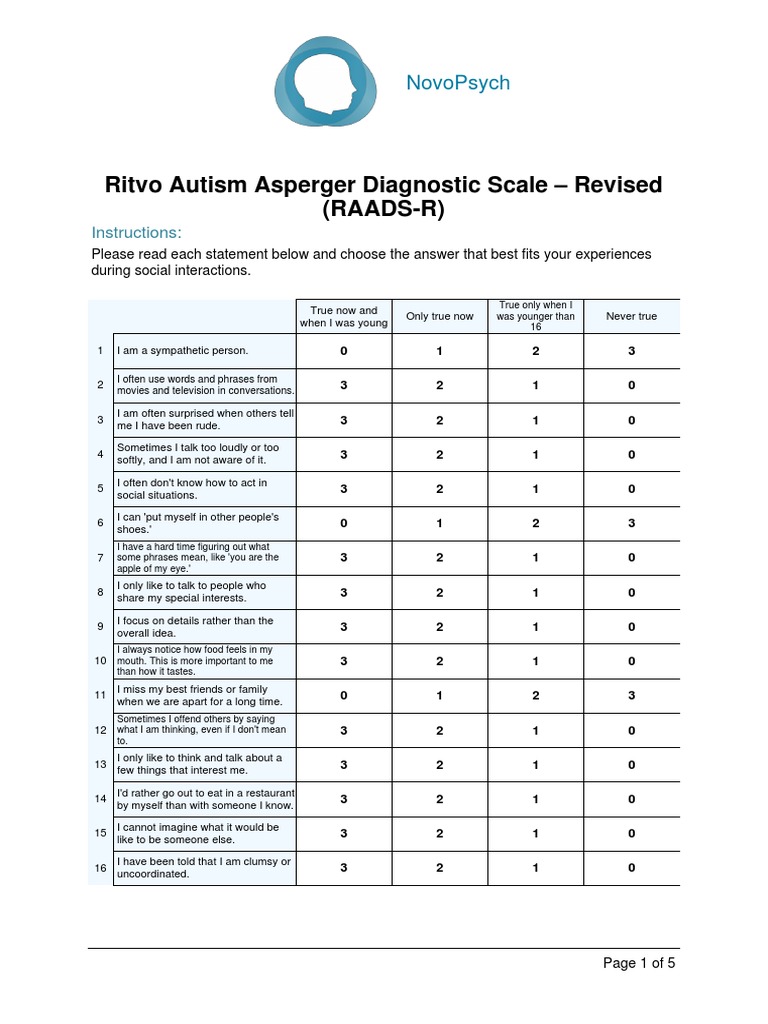
The clinician will likely use tools such as:
- Autism Diagnostic Observation Schedule (ADOS‑2) Adult Asperger’s Diagnostic Questionnaire (AADQ) Social Responsiveness Scale (SRS‑2)
These instruments are designed to capture behaviors across multiple contexts, ensuring a reliable diagnosis.
Interpreting the Results
After the assessment, the clinician will:
Compile findings from tests, interviews, and observations. Compare against DSM‑5 criteria for ASD. autism in girls signs Provide a written report that includes diagnosis, recommendations, and suggested accommodations. If your insurance covers the deductible portion, you’ll receive a summary that can be submitted for reimbursement.Making the Most of Your Diagnosis
Building a Support Network
- Family and friends: Educate them about ASD so they can offer tailored support. Peer groups: Join local or online communities for adults with autism. Professional support: Consider therapy, coaching, or counseling tailored to ASD.
Accessing Resources and Benefits
- Workplace accommodations: Flexible schedules, noise‑cancelling headphones, or task breakdowns. Educational programs: Adult learning courses that consider sensory needs. Therapeutic services: Occupational therapy, speech therapy, or social skills groups.
These resources can transform the “maze” into a well‑mapped journey.
Frequently Asked Questions About Adult Autism Assessments
- Do I need a referral? Many insurers require one, but some allow direct booking. How long does the assessment take? Typically 2–4 hours, split across multiple sessions. Will the clinician share my results with my employer? No—confidentiality is protected by law. Can I appeal if my diagnosis is denied? Yes; most insurance plans have an appeal process. What if my insurance doesn’t cover it? Consider sliding‑scale clinics or charitable foundations that offer discounted rates.
Turning Insight into Action
Now that you’ve navigated the world of adult autism assessment for autism spectrum disorder deductible assessment, you’re ready to take the next steps. Whether you’re preparing to book an appointment, compiling your medical history, or simply curious about what a diagnosis could mean for your life, remember that knowledge is power. Use it to advocate for yourself, seek the accommodations you deserve, and connect with a community that celebrates neurodiversity.

If you’re ready to start the journey, reach out to a qualified professional today. Your future self will thank you for the clarity and confidence you’ll gain along the way.